
Have you ever made a smart, well-timed trade, only to give the gains back a short while later?
If so, you are in surprisingly good company. One of history’s greatest minds did the very same thing, and it cost him a fortune.
That mind belonged to Sir Isaac Newton. He could explain gravity and map the movement of the planets. Yet when it came to the market, his intelligence was not enough to save him. His story carries a lesson that matters far more than raw brainpower, because it is a lesson about trading discipline and timing.

Newton and the South Sea Bubble
In the early 1700s, a company called the South Sea Company became the talk of Britain. Its share price began to climb, slowly at first, then faster and faster. Newton was an early investor, so as the price rose, the value of his shares rose with it.
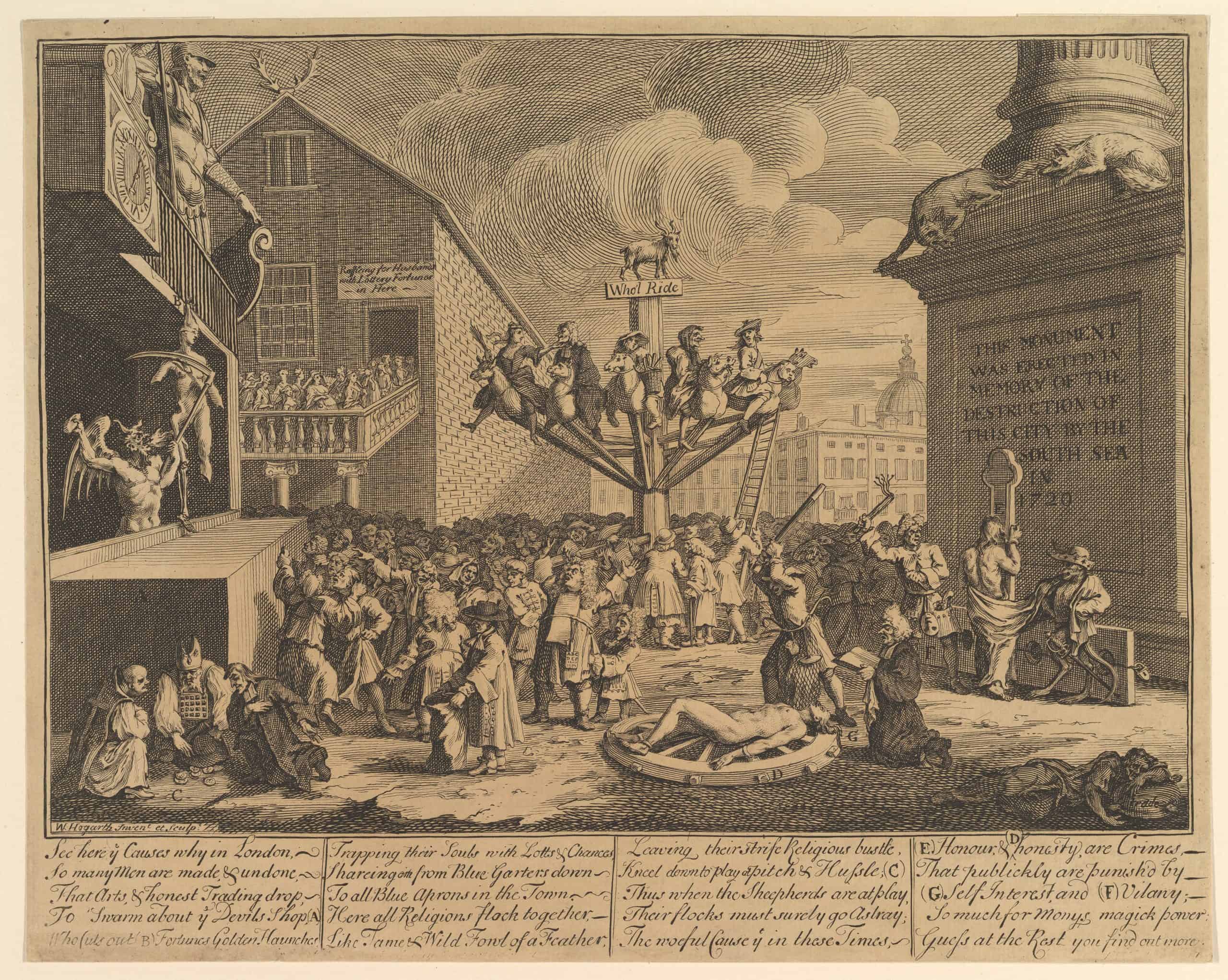
Being a careful thinker, Newton sensed the excitement had gone too far. So he did the disciplined thing. He sold his shares, took a hefty profit, and stepped away while he was ahead. At that point, his timing was flawless. What happened next is the part worth remembering.
But the story did not end there. After he sold, the price kept climbing. Higher and higher it went, and all around him, people were growing rich. Newton watched friends and neighbours make the money he could have made, too. Slowly, that feeling became too much to bear.
So he broke his own discipline. He jumped back into the market near the very top, this time with far more money than before. Shortly after, the bubble burst. The price collapsed, and Newton lost a large part of his wealth, around twenty thousand pounds, a huge sum in those days.
One line has followed his story ever since. He could measure the motion of the stars, but not the madness of people.
The Real Mistake Was Not the Crowd
It is easy to say Newton simply followed the crowd. But look closer, because the truth is sharper than that.
Newton got the first decision exactly right. He had a plan, he followed it, and he booked his profit at the right moment. The second decision broke him. He threw the plan away. Watching other people make money dragged him back in at the worst possible time.
In other words, his downfall was not a lack of intelligence. It was a lack of discipline. He knew better, yet he did not stick to what he knew. This is the exact trap that fools traders every single day.
Three Lessons From Newton’s Mistake
Timing means knowing when to stop, not just when to start. Newton’s first exit was excellent. Remember that a trade is only complete when you close it well. Getting in is half the skill, and getting out on time is the other half.
A plan is worthless the moment you break it. Newton had a plan and then ignored it. A method only protects you when you follow it, especially in the moments when your emotions are screaming at you to do the opposite.
Other people’s profits are not your signal. The urge to chase gains that others are making feels powerful, but it tells you nothing about the trade. A real trade rests on your own analysis and timing, never on the fear of missing out.
The Gann Way: Method Over Emotion
This is exactly why W.D. Gann built his work around fixed principles rather than feelings. Gann studied time, price, and market cycles so that his decisions rested on structure, not on the mood of the moment.
A trader who knows when a move is likely to turn does not need to chase anyone. He waits for his own signal, acts on it, and then steps aside with discipline. That calm, rule-based approach is what separates a trader who lasts from a clever one who blows up.
Trade on a Method, Not on a Mood
Newton’s story is a clear reminder that being smart is never enough on its own. What truly protects your money is a tested method, along with the discipline to follow it trade after trade.
That is exactly what we teach. Built on the time-tested work of W.D. Gann, our courses give you a way to read and trade the markets with clarity and discipline, not emotion.

The market will always tempt you to break your own rules. The winning traders are simply the ones who refuse to. Divesh


